Arabuko-Sokoke Forest Reserve
1 Day
2-10 People
Kilifi County
4.6/5.0
Overview
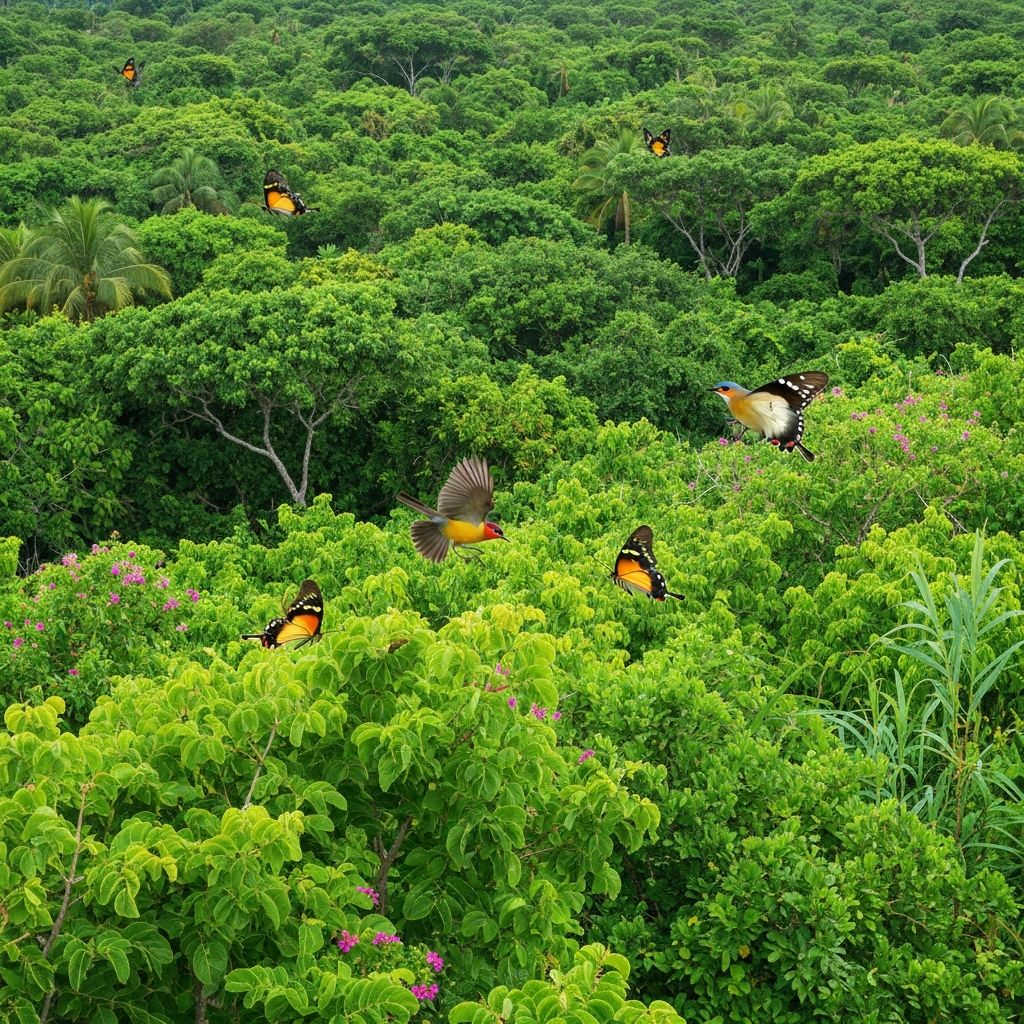
Arabuko-Sokoke Forest Reserve is East Africa's largest surviving coastal forest and one of the world's most important biodiversity hotspots. Covering 420 square kilometers, this ancient forest is home to several globally endangered species found nowhere else on Earth, making it a paradise for nature enthusiasts and researchers.
The forest offers exceptional bird watching opportunities with over 230 recorded species, including six globally threatened birds. It also harbors rare mammals like the golden-rumped elephant shrew and Ader's duiker, plus hundreds of butterfly species in a mystical, cathedral-like forest setting.
Forest Highlights
Endemic Bird Species
Six globally threatened birds including Clarke's weaver and Amani sunbird
Rare Butterflies
Over 250 butterfly species including endemic Charaxes variants
Golden-rumped Elephant Shrew
Critically endangered mammal found only in this forest
Ancient Forest Trails
Well-maintained hiking paths through three distinct forest types
Kipepeo Butterfly Farm
Community project breeding butterflies for conservation and income
Tree Canopy Walkway
Elevated platforms offering bird's-eye views of the forest canopy
Full-Day Forest Experience
Nature & Wildlife Day
Early departure for prime bird watching hours
Arrive at forest gate, meet local guide and birding expert
Begin guided forest walk on Nyari Trail (3km)
Visit Kipepeo Butterfly Project and butterfly farm
Tea break at forest visitor center
Continue to Gede Trail for primate and mammal spotting
Picnic lunch in designated forest clearing
Afternoon walk on Baobab Trail with canopy access
Photography session and final wildlife observations
Depart forest and return to accommodation
What's Included
- Hotel pick-up and drop-off
- Forest entrance and conservation fees
- Expert birding guide and tracker
- Kipepeo Butterfly Project visit
- Packed picnic lunch
- Bottled water throughout
- Field guides and bird checklists
- Donation to forest conservation
What to Bring
- Binoculars (essential for bird watching)
- Camera with telephoto lens
- Comfortable hiking boots
- Long pants and long-sleeved shirt
- Insect repellent
- Sun hat and sunscreen
- Field notebook and pen
- Personal medication
Best Time to Visit
Bird watching and wildlife viewing are excellent year-round, with seasonal variations:
November - March (Peak)
Migratory birds present, ideal weather, and maximum butterfly activity
June - September (Good)
Resident species active, cooler temperatures for hiking
Conservation Importance
- Designated Important Bird Area (IBA) by BirdLife International
- Part of the Eastern Arc Mountains biodiversity hotspot
- Home to 6 globally threatened and 6 near-threatened bird species
- Critical habitat for 5 globally threatened mammal species
- Your visit directly supports community conservation efforts
- Kipepeo Project provides sustainable income to 300+ local families
Ready to explore Africa's rarest coastal forest?
Book Your Forest Adventure